One year ago today, I wrote a suicide note.
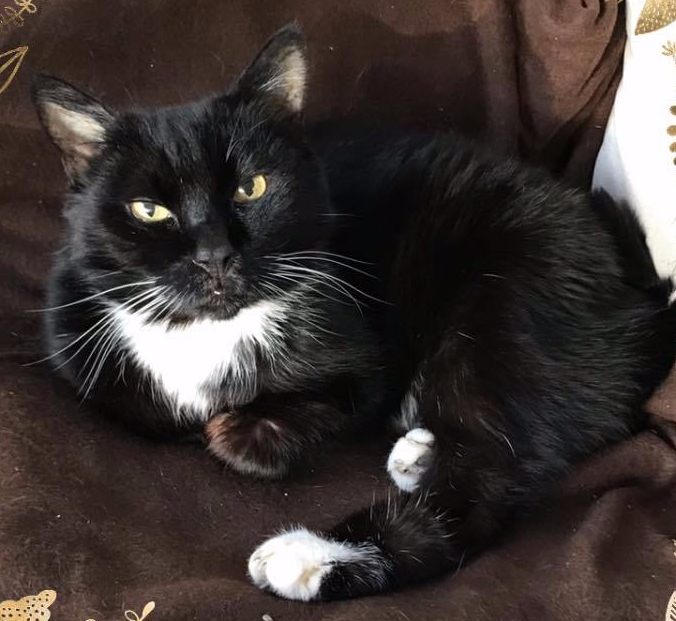
It was a gorgeous afternoon, and I was sitting in one of the lush, wild gardens on my property. Everything around me was a teeming riot of pulsing life, from ants milking aphids on the vetch vines, to hummingbirds chattering in competition at a nearby feeder, to cicadas buzzing and clicking deep in the eyebrow-high grass, to late-born fawns keening in the distance upon losing sight of their mothers. Two of my beloved cats were close by — Lua, my heart-cat, and The Curl, my soul-cat — blinking lazily from shady alcoves in the undergrowth.
And I was calmly preparing to die.
Rereading that note a year later, I am somewhat surprised by how very calm I was. But then, exhaustion and calm sometimes masquerade as identical twins. I know that I had never been so exhausted, so utterly drained of the capacity to keep living.
The word “exhaustion” is of mid-16th-century origin, from the Latin verb exhaurire, meaning “to draw out water, to drain.” My soul had cracked, and through this fissure had seeped, I thought, every drop of my will to live.
I won’t go into why I nearly committed suicide that day. Each of us who stands at that edge, each who steps off it, has a story behind their despair. Of course. Whether I’ll write about it in future, I don’t know. Today, I’m writing with a forward-looking aspect, although one that gains its true resonance only by the crucial act of first looking backward, to that afternoon when I was ready to leave even the two most beloved people in my life.
Ready? Well, not really. Though calm, I was also terrified, and I think that had I been completely ready, I would have felt joy rather than terror. So perhaps resigned would be a better word.
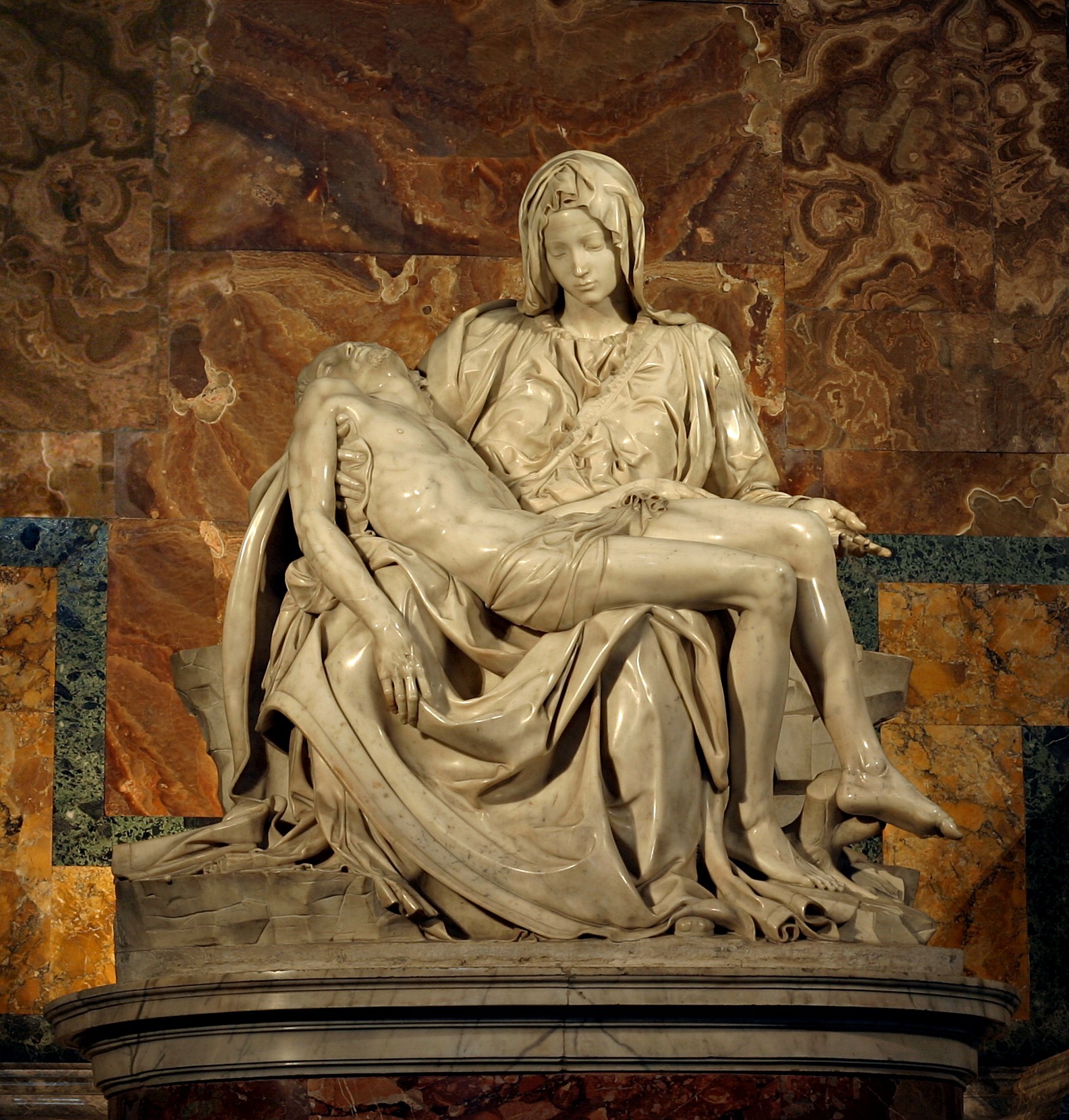
I get hung up on language sometimes. Often. It’s such a clumsy communication tool, like trying to carve the Pietà with a jackhammer.
So why bother trying to write? That question has held me back for decades. But now — when I am more aware than ever before of how ridiculously primitive words are for expressing the bewildering experience of living, because I am finally experiencing living as I never have before — I’ve decided just to get on with it. Despite being drawn to antique timepieces since I was a child, I haven’t paid sufficient genuine attention to what they’re mutely telling us with their every movement: You’re dying.
At age 49, when I look back on my life, there is no getting around the fact that I’ve spent three-quarters of it trying to destroy myself. Why? How? And how come I’m still here and no longer self-destructing?
Perhaps if I write my reflections and musings on the possible answers to those questions and others, I’ll continue the process of renewal that I’ve begun, ever so tentatively, in the past few months. And perhaps if I share these musings and reflections, some good may come out of what I sometimes view as the vast barrenness of my existence thus far.
In one of the deliciously complicated and torture-riddled folk tales collected by the Brothers Grimm, a princess spends six years silently sewing stinging nettles into six shirts so that her brothers can resume their human forms after being changed into swans by a witch. At the story’s climax, the innocent princess-now-queen is about to be burned at the stake (like I said, complicated), but the six years end at that moment, her swan-brothers fly over, she is able to throw the nettle shirts on them to break the spell, and she is released from her vow of silence. She proves her innocence and survives.
Why do I mention this? Because the nettle shirts sewn in her long, silent agony came to mind as emblematic of how years of trauma and pain can, in rare cases, be transformative. Not just in folk tales.
This is not a given. I said rare cases. Believe me, I am the last person who’s going to try to glorify or Pollyanna-fy trauma. It very nearly killed me, and it has obliterated innumerable good souls to no good purpose as far as I can tell. But in the long years of sewing stinging nettles, I didn’t bleed out. I’m one of the fortunate ones who, for whatever reason, Despair spared.
So as I continue to wonder why I was spared, and how to achieve self-peace, and to walk a path that may take me to some answers, join me, if you’d like. In my experience, true misery doesn’t actually love company. But I have an inkling that true peace does.
 A Long Day's Journey Back to Bed